Technical Grade
SS 304
Surface Texture
Mirror Finish (Dairy-Grade)
Technical Reading
SS 304 vs. SS 316: Technical Buffing & Mirror Finishing Requirements
Milk Pot Polishing
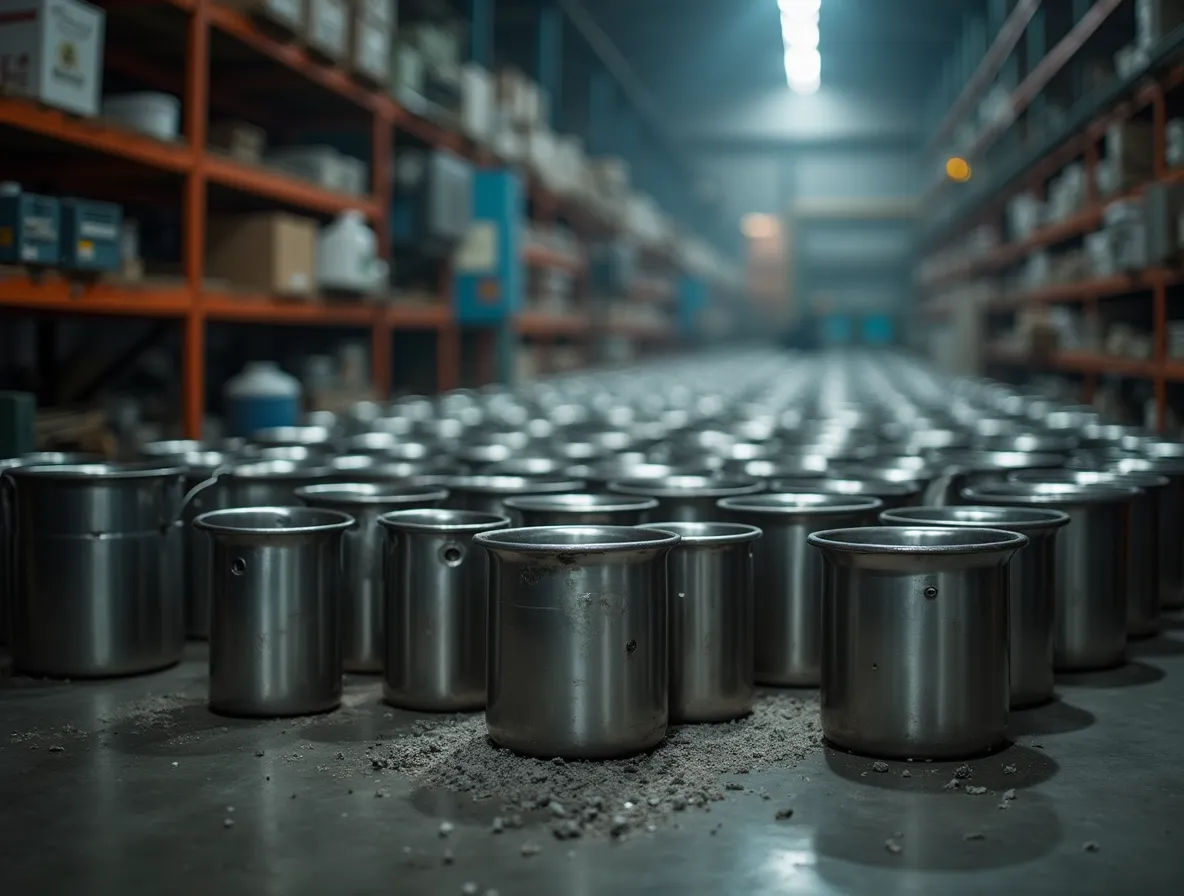
Dairy-grade milk pot polishing at Raja Buffing Works is held to a stricter surface standard than general cookware buffing. Micro-scratches below visible threshold create surface pockets where milk solids bond and bacteria multiply -- making Ra value control a hygiene requirement, not an aesthetic one. Our edge-to-edge buffing protocol eliminates these using grade-matched compounds for SS 202 and SS 304, and the resulting interior surface meets dairy equipment compliance standards. All pateela sizes, handle configurations, and lid-rim profiles are supported.
Engineering Specs
The Finishing Workflow
Surface inspection and oxidation/rust depth assessment per batch
Pre-correction heavy-grit pass for rust spots or deep oxidation (where required)
Grade-matched compound assignment -- SS 202 soft protocol / SS 304 full protocol
Edge-to-edge interior buffing including handle transition zones
Interior mirror polish to Ra < 0.4μm compliance threshold
Lid-rim seating surface buffing (fitted lid configurations)
Final hygiene-standard surface audit under high-intensity inspection lighting
Service Includes
Why Dairy Equipment Demands a Stricter Buffing Standard
Milk is a biological fluid with high protein and fat content. When milk contacts a rough stainless steel surface -- even one that looks smooth to the naked eye -- milk solids adhere to micro-pits in the metal, denature under heat, and create a biofilm layer that resists standard cleaning cycles. This is not a theoretical risk. It is the reason dairy processing equipment globally is held to Ra < 0.8μm as a minimum surface standard, with premium equipment specified at Ra < 0.4μm. A milk pot buffed to standard cookware tolerances (Ra 1.0μm or higher) will accumulate protein residue, harbour bacteria between cleaning cycles, and eventually become a contamination vector in dairy operations. Our buffing process targets Ra < 0.4μm on milk pot interiors as a standard output, not an upgrade tier.
Micro-Scratch Elimination: What Ra < 0.4μm Actually Means
Ra (Roughness Average) is a measurement of the average height of surface peaks and valleys across a given length. At Ra 1.0μm -- which is what most standard buffing processes produce -- a stainless steel surface has micro-valleys deep enough for milk fat globules to lodge and bond. At Ra < 0.4μm, the surface profile is smooth enough that milk solids cannot gain a mechanical foothold. Our 20-motor buffing array runs a multi-stage pass on milk pot interiors: pre-polishing to remove deep scratches, a compound coloring stage, and a final soft-compound pass to bring the surface into the Ra < 0.4μm target band. For the technical science behind Ra measurement, see our Ra value and surface texture guide.
SS 202 vs SS 304 for Milk Pots: Why the Grade Changes the Protocol
SS 202 is a lower-nickel, higher-manganese alloy used widely in domestic and commercial pateela manufacturing because it is cost-effective and corrosion-resistant in typical kitchen environments. SS 304 has higher nickel content and greater resistance to acidic and chlorinated cleaning agents -- making it the preferred grade for dairy operations where CIP (clean-in-place) chemicals are used. The buffing implication: SS 202 work-hardens more easily under compound pressure, so over-aggressive polishing can thin the surface and create micro-tears rather than smoothing them. We use a softer compound formulation and lower RPM for SS 202 milk pots. Mixed-grade batches (SS 202 and SS 304 in one consignment) are processed in separate machine passes. For a deeper comparison, see our SS grade buffing guide.
Edge-to-Edge Coverage: Handle Transitions and Lid-Rim Profiles
The most commonly missed area in milk pot buffing is the transition zone between the pot body and the handle attachment point. This weld area typically has a rougher surface profile than the main body -- and it is also the area most exposed to milk splash and drip. Our buffing protocol includes a dedicated handle transition pass that extends the Ra-compliant surface continuously from the interior base, up the interior walls, and across the rim profile. Lid-rim seating surfaces are also included in the pass for pateelas with fitted lids, as the rim-to-lid contact zone is another high-residue accumulation point.
Batch Capacity, Dispatch, and HSN 7323 Compliance
We accept milk pot polishing batches from 100 units upward from manufacturers across Vasai East, Boisar, Palghar, Thane, and the Mumbai industrial corridor. Standard batches are dispatched within 24-48 hours of receipt at our Vasai East facility. All job-work is invoiced under HSN Code 7323 (Household articles of iron or steel) with full GST documentation for B2B input tax credit eligibility. For a complete breakdown of how HSN 7323 job-work billing is structured, read our HSN 7323 compliance guide for manufacturers. For recurring production runs, contact us to discuss dedicated batch scheduling.
Rust Spots and Oxidation: Pre-Buffing Correction
Milk pots that have been in storage or returned from use often present surface oxidation, rust spots, or staining. These cannot be buffed out directly -- they must be addressed in a pre-polishing correction stage before the mirror buffing cycle begins. Our workflow starts with a surface inspection that grades each batch for oxidation depth. Light surface oxidation is addressed with a pre-polishing grinding pass. Deeper rust pitting requires an additional heavy-grit correction pass before the standard protocol proceeds. The final output in both cases is a Ra-compliant mirror interior. Severely pitted pieces that cannot be brought to Ra < 0.4μm without dimensional risk are flagged and returned to the client before processing.
Post-Buffing Maintenance for Dairy Operators
A mirror-polished milk pot interior will maintain its surface standard longer if cleaned correctly. Abrasive cleaning pads reintroduce micro-scratches, undoing the Ra compliance achieved in buffing. For commercial dairy operations, we recommend soft-cloth cleaning with pH-neutral detergent for daily use, and periodic re-polishing after 6-12 months of intensive dairy service depending on cleaning chemical aggressiveness. See our B2B care protocol guide for maintenance schedules that extend the polished surface life of dairy equipment.
Mirror Finish vs Matte Finish: Which Is Right for Your Batch?
| Aspect | Mirror Finish | Matte / Satin Finish |
|---|---|---|
| Surface Roughness | Ra < 0.4μm -- dairy hygiene compliance threshold | Ra 0.5μm-0.8μm -- general cookware standard (not dairy-grade) |
| Milk Adhesion Risk | Eliminated -- milk solids cannot bond to Ra < 0.4μm surface | Present -- micro-valleys allow milk protein adhesion over time |
| Bacterial Colonization | Significantly reduced -- no surface pockets for biofilm formation | Higher risk -- deeper surface profile supports biofilm retention |
| Cleaning Cycle Efficiency | Standard cleaning cycles effective -- no residue retention zones | May require more aggressive cleaning to clear protein residue |
| Grade Compatibility | SS 202 and SS 304 -- grade-matched compound protocol per grade | Not recommended for dairy milk pot interiors |
| Turnaround | 24-48 hour standard dispatch from Vasai East | N/A for this application |
Not sure which finish suits your application? Contact our finishing specialists or read our matte finishing Ra value guide.
Technical FAQ: Milk Pot Polishing
Why does dairy equipment require a stricter polishing standard than regular cookware?
Micro-scratches in dairy utensil interiors create surface pockets where milk solids adhere and bacteria multiply. Standard cookware buffing typically produces Ra 1.0μm or higher -- insufficient for dairy compliance. We buff milk pot interiors to Ra < 0.4μm, which eliminates the micro-valleys where milk protein can bond. This is not an aesthetic upgrade -- it is a functional hygiene requirement for dairy operations.
Do you handle both SS 202 and SS 304 pateelas in the same consignment?
Yes. Both grades are supported and accepted in the same order. SS 202 requires a softer compound and lower RPM to prevent work hardening and micro-tearing. SS 304 uses the full mirror-finish compound protocol. Mixed-grade batches are segregated and processed in separate machine passes. A single HSN 7323 invoice covers the full consignment.
What is the minimum batch size for milk pot polishing job-work?
We accept batches from 100 units upward. For recurring production runs, contact us to discuss dedicated batch scheduling. All orders are invoiced under HSN Code 7323 with full GST documentation for B2B input tax credit eligibility. See our HSN 7323 guide for compliance details.
Can you polish milk pots that have existing rust spots, staining, or oxidation?
Yes. Surface oxidation, rust spots, and staining are addressed in the pre-correction stage before the mirror buffing cycle begins. Light oxidation requires a pre-polishing grinding pass. Deeper rust pitting requires an additional heavy-grit correction pass. Both cases result in a Ra < 0.4μm mirror interior at dispatch. Severely pitted pieces that cannot be corrected without dimensional risk are flagged and returned before processing begins.
Does your buffing process cover the handle attachment areas and lid rims?
Yes. Edge-to-edge coverage is a defining part of our milk pot protocol. Handle transition weld zones and lid-rim seating surfaces are included in the buffing pass. These are the highest milk-residue accumulation points on a pateela and are commonly missed in standard buffing operations.
How long does a dairy-grade mirror finish last before re-polishing is needed?
In commercial dairy operations with correct cleaning practices, a Ra < 0.4μm mirror finish typically maintains compliance for 6-12 months depending on cleaning chemical aggressiveness and usage intensity. Abrasive cleaning pads are the primary cause of surface degradation -- soft-cloth cleaning significantly extends the service interval. See our B2B care protocol guide for maintenance schedules.
Related Services
All Services


Technical Insight
SS 304 vs. SS 316: Technical Buffing & Mirror Finishing Requirements
Equipment
See the machinery behind this service
Every finishing operation on this page runs through a grade-calibrated machine protocol. Our 20+ motor fleet, matte polisher, beading lathe, and fiber laser are available for inspection.